

Million Payroll vs. Million HRM: What’s the Difference?
Running a business these days means juggling a lot, especially when it comes to managing your team. Between handling salaries, tracking leave, keeping employee records, and making sure…

Running a small or medium-sized enterprise (SME) in Malaysia is no walk in the park. Business owners are constantly balancing tight budgets, limited manpower, and increasing demands for efficiency. Amid these operational pressures, one area is often left behind: human resources.
Many SMEs still manage HR functions manually—spreadsheets for payroll, WhatsApp chats for leave approvals, and physical files for employee records. While this may seem manageable in the early stages, things quickly become chaotic as the team grows. Disorganized HR processes can lead to compliance issues, employee dissatisfaction, and costly errors.
This is exactly why Human Resource Management Systems are gaining traction among SMEs in Malaysia.

Most SME founders didn’t start their business to manage payslips or track annual leave balances, but without effective HR management systems, HR issues can snowball fast if left unchecked. Here are some of the most common HR challenges faced by SMEs in Malaysia.
Many companies still rely on verbal confirmations, text messages, or emails to manage leave requests, which complicates their hr management systems.
Without modern hrm systems, monitoring punctuality or working hours becomes unreliable, complicating employee data management.
In an SME environment, structured performance management reviews are often the first to be sacrificed when things get busy without a proper management system.
In many SMEs, HR isn’t a full-time function, but a side responsibility handled by:
This leads to burnout, delayed tasks, and critical HR functions being sidelined.
The business environment is changing. With more SMEs scaling rapidly, managing human capital efficiently has become a competitive advantage.
Here are the key drivers pushing SMEs toward hrm systems today:
Many HR management systems designed for SMEs, particularly tailored for Malaysian businesses, can drastically enhance employee data management and payroll processes.
No more silos with modern HR management systems. Store employee records, contracts, leave balances, appraisals, and attendance logs in one place, accessible anytime, from anywhere.
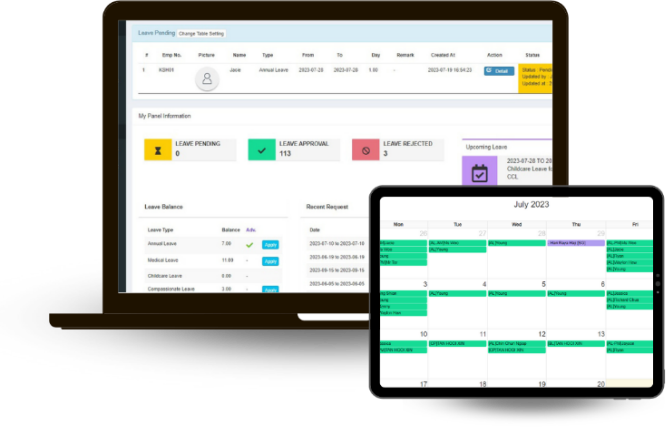
With modern HRMS systems, employees can apply for leave online, while managers receive automated notifications and can approve requests in one click.
Whether via biometric devices, mobile apps, or manual inputs, attendance is captured accurately for effective workforce management.
Payroll integrates seamlessly with attendance and leave data, enhancing the human resource management system by automatically calculating net pay, EPF, SOCSO, PCB, and generating pay slips.
Run quarterly or annual reviews with customized templates using modern HRMS tools. Schedule reminders, collect feedback, and align KPIs with real business goals.
Empower staff to check pay slips, apply for leave, or update their personal details using modern HRMS solutions without needing HR involvement.
Generate reports on headcount, absenteeism, late arrivals, and payroll trends to support smarter decision-making.
If you’re looking for an HRM system that’s easy to use, locally supported, and built for Malaysian businesses, Million HRM is a trusted choice!
There are many HRMS providers in Malaysia that offer competitive human resource and management solutions, but only a few were able to truly tick the boxes of SMEs who are looking for a multifunctional, efficient, and most of all, cost-effective software like Million!
Here’s what makes it stand out:
Million HRM understands the nuances of Malaysian payroll laws, leave entitlements, and statutory compliance (EPF, SOCSO, PCB, EIS, etc.). This human resource management system is tailored to your operational reality, not just an imported system with generic features.
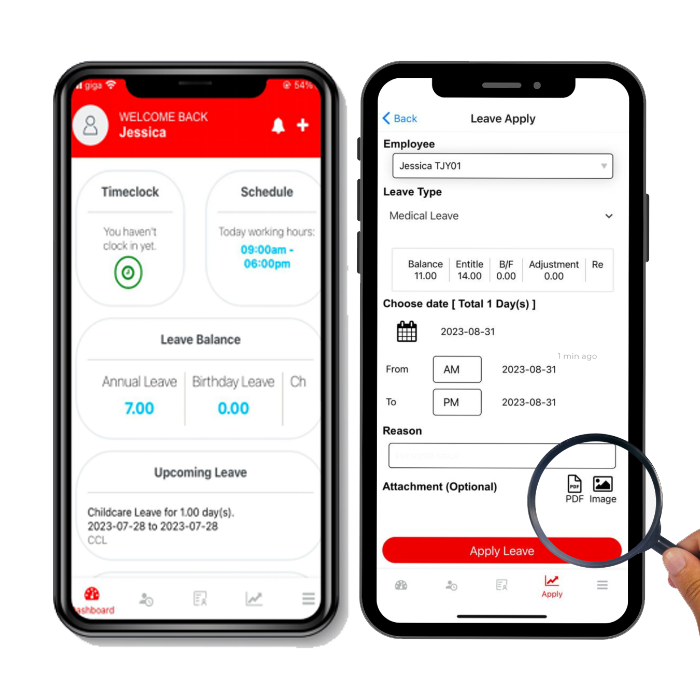
You don’t need an IT team to get started with modern HRMS solutions. Million HRM’s dashboard is intuitive and requires minimal training for your HR team.
Only pay for the features you need. If you want a basic payroll solution or a full-suite HR management system with appraisals, attendance, and reporting, you can scale as needed.
Having local customer service means issues are resolved faster, and hr management systems support teams understand your unique business environment.
Failing to modernize your HR operations with effective HR management systems isn’t just a matter of inefficiency—it’s a serious risk that can hurt your business in ways you might not immediately notice, until it’s too late.
Manual HR processes are time-consuming, particularly when utilizing outdated management systems. Tasks such as processing payroll, tracking leave balances, and updating employee records consume hours each month, especially if managed through spreadsheets or scattered communication tools. This time could be better spent on strategic activities like business development, customer service, or employee training.
Without an effective HR management system that automatically links attendance, leave, and pay data, payroll becomes vulnerable to errors like miscalculations, missed deductions, or late payments. Even a small mistake can damage employee trust, result in complaints, and create unnecessary tension in the workplace. Worse, repeated errors can lead to staff resignations or legal disputes.
In Malaysia, SMEs must comply with strict statutory obligations like EPF, SOCSO, EIS, and PCB filings. Relying on manual reminders or outdated HR management systems increases the likelihood of missing submission dates or underpaying contributions, both of which can lead to fines, audits, or legal consequences from government bodies like LHDN or KWSP.
Today’s workforce expects digital convenience. When your HR management systems still involve physical forms, delayed responses, or no transparency around leave entitlements and payroll, employees become frustrated. This can quickly turn into disengagement and resignation, especially among younger, tech-savvy staff who won’t tolerate outdated HR software.
When HR data is siloed or scattered across various files and folders, gaining insight into your team’s performance becomes nearly impossible. You won’t know who’s consistently late, who’s at risk of burnout, or where you need to invest in employee training. Without this visibility, you’re flying blind—and that limits your ability to lead effectively in modern HRMS.
As Malaysia updates its labor laws and privacy standards, companies that continue with manual or ad-hoc HR processes are increasingly exposed to compliance breaches. This could involve mishandling employee data, failing to document appraisals, or not keeping accurate attendance logs—all of which could have legal implications.
In short: not upgrading your HR system doesn’t just slow you down—it puts your business at risk. What was once a harmless spreadsheet becomes a liability as your team grows. In today’s competitive landscape, manual HR isn’t just old-fashioned—it’s operationally dangerous and a growth blocker.
If you’re still managing HR on Excel sheets or scribbled leave notes on your desk calendar, it’s time to admit—it’s no longer sustainable. The cost of inefficiency is too high in today’s business landscape.
An HRM system isn’t just about making life easier—it’s about positioning your SME to scale confidently, retain talent, and stay compliant.
Your business deserves better than spreadsheets and sticky notes.
Explore Million HRM now and take the first step toward transforming your HR function.
Book a free demo with our local team. We'll call you back within the same working day.
Request Free DemoRunning a business these days means juggling a lot, especially when it comes to managing your team. Between handling salaries, tracking leave, keeping employee records, and making sure…