Accurate Attendance Made Easy with Modern Time Tracking
Managing employee attendance is one of the most important aspects of running a business, regardless of size. Knowing who is working, when they clock in, and how long…

Managing attendance isn’t just about knowing who’s in or out anymore. In 2025, Malaysian businesses face hybrid work models, flexible hours, and increasingly tight regulatory and statutory compliance requirements from bodies such as MOHR (Ministry of Human Resources), EPF (Employees Provident Fund), and SOCSO (Social Security Organisation). Getting attendance right is critical—not just for payroll, but also for productivity, security, and employee trust.
Two popular options dominate the market: Time and Attendance (T&A) systems and Biometric systems. Both promise accuracy, but they differ in technology, reliability, flexibility, and cost. Choosing the right one isn’t just a tech decision—it’s a strategic business choice.
A time and attendance system is essentially software (often with hardware options) that tracks when employees start and end their work. In Malaysia, many SMEs and large companies now rely on digital T&A systems for better accuracy and compliance.
Core Features:
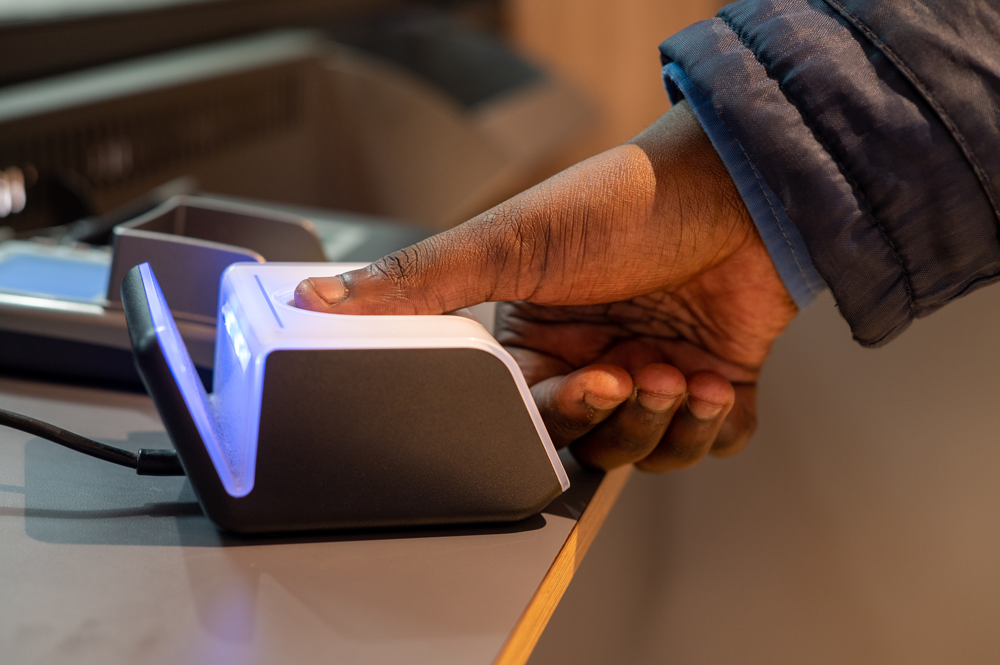
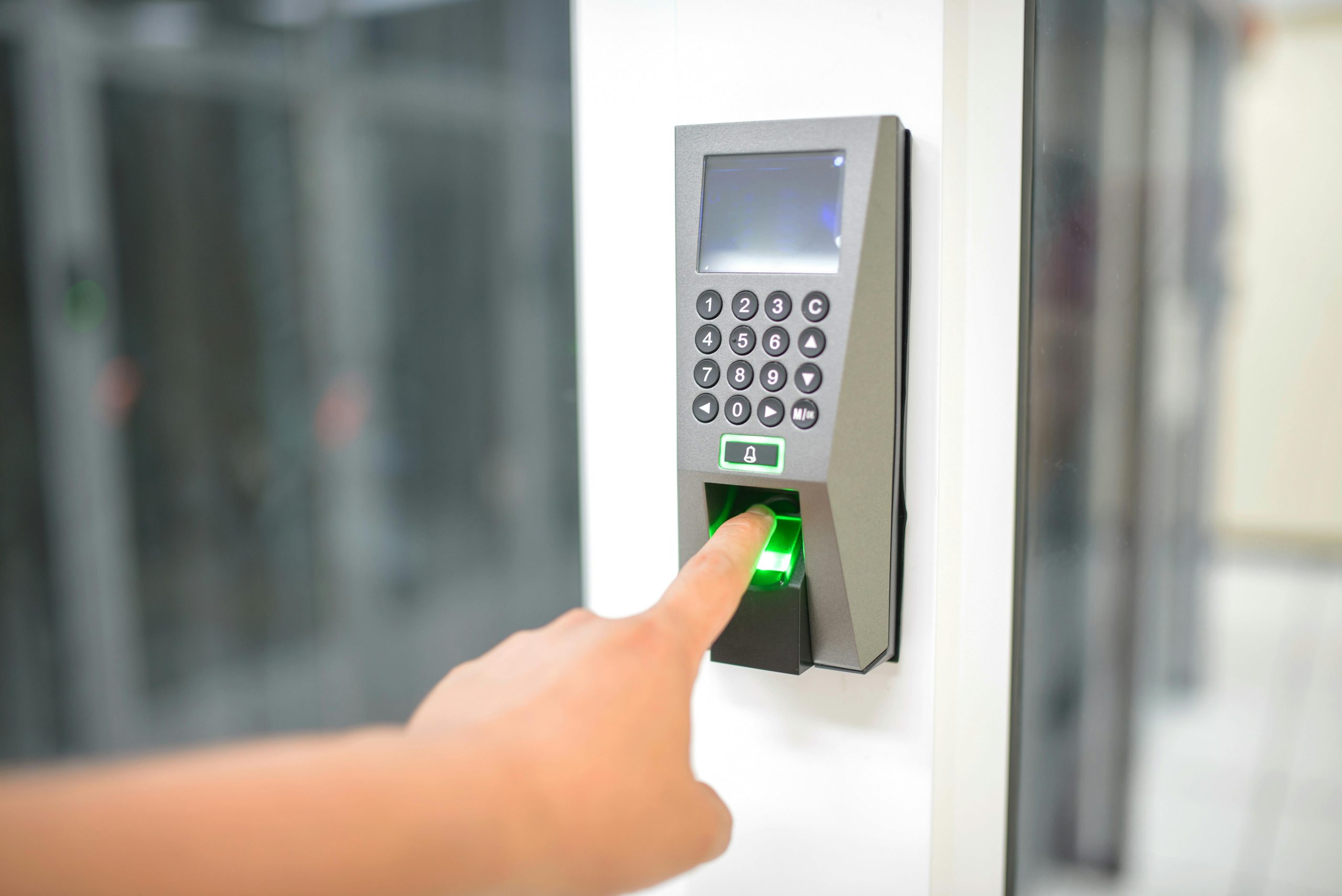
Biometric attendance systems use physical identifiers—fingerprints, facial recognition, or iris scans—to verify identity and record attendance.
Core Features:
| Feature | Time & Attendance System | Biometric System |
|---|---|---|
| Accuracy | High, depends on system and verification | Very high; confirms identity using unique traits |
| Fraud Prevention | Moderate; proxy clock-ins possible | Excellent; hard to fake fingerprints or facial recognition |
| Hardware Requirement | Optional; app-based systems exist | Mandatory; scanners or biometric readers needed |
| Remote Access | Cloud/mobile apps allow easy access | Limited without integration with cloud systems |
| Maintenance | Low; mostly software updates | Medium; hardware maintenance and calibration needed |
| Cost | Moderate | High initial investment |
Insight: While biometrics excel at preventing fraud, modern cloud-based T&A systems provide high accuracy, flexibility, and hybrid-ready solutions.
1. Hybrid Work FriendlyEmployees can clock in from anywhere—office, home, or client site.
2. Detailed ReportingAutomated daily, weekly, and monthly reports on attendance, overtime, and leave.
3. Payroll IntegrationSyncs with payroll software to reduce errors and supports compliance with EPF, SOCSO, EIS, and PCB requirements.
4. ScalabilityAdd employees, shifts, or departments as your company grows.
| System Type | Limitations |
|---|---|
| Time & Attendance | Proxy clock-ins are possible if using basic card systems; accuracy depends on user honesty unless GPS or ID verification is enabled |
| Biometric | High upfront cost; hardware maintenance needed; limited flexibility for remote workers unless paired with cloud solutions |
Keeping track of attendance might seem like a simple admin task, but in Malaysia’s fast-paced business environment, it affects far more than just who showed up to work.
Attendance accuracy influences compliance, payroll, productivity, and even the level of trust between employers and employees. When records are precise, everyone benefits. When they’re not, small mistakes can snowball into costly disputes.
Malaysia employers must follow rules set by bodies like the Ministry of Human Resources (MOHR), especially when it comes to working hours, overtime, and statutory leave. Accurate attendance data keeps your monthly payroll compliant, your OT calculations correct, and your records clean in case an audit ever happens. It also supports proper SOCSO and EPF contributions since everything links back to hours worked. Messy or inaccurate tracking can easily lead to penalties, disputes, or delayed payroll.
Workforces today run a lot faster than the old punch-card systems ever could. HR teams need quick access to reports, especially with more companies adopting flexible hours, split shifts, and hybrid work setups. When attendance is tracked manually or through outdated desktop software, HR loses time correcting errors, chasing missing logs, and validating overtime. A modern system removes bottlenecks and gives HR, payroll, and managers accurate info right when they need it.
Nothing sours morale faster than payroll that doesn’t match the hours people have worked. Transparent and fair attendance tracking reduces misunderstandings about overtime, leave balances, late-in/early-out records, and overall pay accuracy. Employees feel more confident when they know the system works consistently and without favouritism. This clarity helps reduce disputes, complaints, and the sense of being “shortchanged.”
Malaysia has experienced a significant shift toward hybrid and flexible work arrangements, especially among tech companies, professional services, financial institutions, digital agencies, and creative teams. While this change boosts flexibility, it also introduces attendance challenges that older systems simply can’t handle.
Modern challenges often include:
These scenarios make punch cards and basic desktop systems unreliable. A cloud-based time and attendance solution—ideally with mobile apps, GPS tagging, and optional biometrics—helps businesses maintain both flexibility and accuracy without burdening HR.
Different sectors in Malaysia face different attendance problems, so the solution must fit the nature of each industry.
Best Fit: A combination of biometric devices at factory entrances and cloud-based T&A for office teams.
Why: Biometric systems eliminate buddy punching, enforce shift adherence, and support safety protocols. Office and admin staff can log attendance remotely, offering flexibility where needed.
Best Fit: Cloud-based attendance systems with GPS or mobile logging.
Why: Staff often rotate between outlets, work part-time shifts, or assist during peak hours. Mobile-based logging ensures accuracy regardless of location, and managers can verify attendance instantly.
Best Fit: Cloud T&A with strong integration to payroll, invoicing, and billing software.
Why: Consultants, field teams, and account managers frequently travel to client sites. Real-time logging helps track billable hours correctly and makes invoicing far smoother.
Best Fit: Biometric systems for high-security or patient-sensitive zones, paired with cloud T&A for administrative teams.
Why: Hospitals and clinics need tight access control in certain areas for safety and confidentiality. Meanwhile, cloud-based tracking helps streamline scheduling, shift handovers, and OT approvals for the wider workforce.
| Factor | Time & Attendance | Biometric System | Hybrid Approach |
|---|---|---|---|
| Initial Setup | Moderate | High | High |
| Maintenance | Low | Medium | Medium |
| Scalability | Easy | Moderate | Easy |
| Remote Flexibility | Excellent | Limited | Excellent |
| Fraud Prevention | Moderate | Excellent | Excellent |
| Payroll Integration | Easy | Moderate | Easy |
Insight: A hybrid system may have a higher upfront cost, but it balances accuracy, security, and flexibility—ideal for modern teams in Malaysia.
Getting an attendance system right isn’t just about picking a technology—it’s about making it work for your team, your workflow, and your compliance obligations. Many Malaysia SMEs fail to get full value because they overlook proper planning and staff adoption. Here’s a step-by-step approach to ensure a smooth implementation.
Before choosing a system, understand how your employees work, where they work, and what their schedules look like.
Tip: Conduct a small survey among staff to identify common pain points. Understanding their workflow will help select a system that’s actually usable and reduces resistance.
Not all attendance solutions are created equal, and the right choice depends on your workforce, security needs, and budget:
Example: A Malaysian logistics firm integrated fingerprint scanners for warehouse staff with a cloud-based system for office-based supervisors. This combination prevented fraudulent attendance while supporting flexible reporting and payroll integration.
Even the best system fails if staff don’t use it properly. Training is critical to adoption.
Tip: Staff adoption is smoother when employees understand that attendance systems protect them too. For example, proper logging ensures overtime is paid correctly under MOHR regulations.
A modern attendance system isn’t just about tracking hours—it’s about seamless payroll and HR processes.
Even with automated systems, periodic audits are essential.
Tip: Inspections by the Department of Labour of Peninsular Malaysia (JTKSM) may include checks on attendance records. Maintaining a digital attendance trail with clear timestamps and verifiable logs can help simplify compliance and support audit readiness.
Never roll out a system company-wide without testing it first.
Attendance tracking solutions should scale with your business and adapt to future trends.
Selecting the right attendance system is both a technological and strategic decision.
| System Type | Best For | Key Benefits | Considerations |
|---|---|---|---|
| Time & Attendance (Cloud) | Hybrid teams, remote staff, multi-location SMEs | Flexible, mobile, integrates with payroll, scalable | Less secure than biometric alone, potential for proxy clock-ins if not combined with verification |
| Biometric | On-site staff, secure facilities, fraud-prone environments | High accuracy, fraud-proof, access control | Higher upfront cost, limited remote flexibility, requires hardware maintenance |
| Hybrid (Cloud + Biometric) | SMEs with mixed workforce, multi-site operations | Balances flexibility, accuracy, and security | Higher implementation cost, requires proper planning and integration |
Decision Factors:
Think of it this way:
Investing in a reliable attendance solution is more than just tracking hours—it’s about boosting productivity, ensuring compliance, enhancing employee satisfaction, and future-proofing your workforce management.
Cloud T&A systems work well for hybrid or remote teams, allowing employees to clock in from anywhere. However, they may not prevent proxy clock-ins entirely unless combined with GPS verification or ID checks. For high-security or on-site environments, biometrics remain more fraud-proof. Many Malaysian SMEs use a hybrid approach to get the best of both worlds.
Modern T&A and hybrid systems can sync directly with payroll software, automating calculations for overtime, EPF, SOCSO, HRDF, and PCB deductions. This reduces manual errors, ensures statutory compliance, and saves HR teams significant time during month-end payroll processing.
Purely biometric systems require on-site hardware, so they’re limited for remote staff. However, some solutions now combine biometric verification with cloud apps, enabling remote clock-ins while maintaining identity verification. This hybrid setup works well for SMEs with mixed work arrangements.
Reputable cloud T&A systems store data using encryption and comply with Malaysia’s Personal Data Protection Act (PDPA). Access controls ensure only authorised personnel can view or modify attendance records, helping protect sensitive employee information while maintaining compliance.
Start with a pilot program for one department or shift. Train HR, supervisors, and employees thoroughly. Monitor adoption, collect feedback, and adjust settings before full deployment. Clear communication about benefits—accurate pay, flexible schedules, and overtime tracking—also helps encourage staff buy-in.
Even with automated systems, monthly audits are recommended to spot anomalies, confirm OT calculations, and ensure compliance with MOHR, EPF, and SOCSO requirements. Periodic checks prevent disputes and simplify internal or government audits.
Yes, modern cloud and hybrid systems allow HR teams to define multiple shifts, rotation schedules, and flexible start/end times. They can automatically calculate overtime, leave accruals, and late arrivals, making them ideal for industries like F&B, retail, manufacturing, and healthcare.
Book a free demo with our local team. We'll call you back within the same working day.
Request Free DemoManaging employee attendance is one of the most important aspects of running a business, regardless of size. Knowing who is working, when they clock in, and how long…
If you’re running an SME in Malaysia, you’ve probably heard the buzz about e-invoicing. The Malaysian government, through the Inland Revenue Board (LHDN), is rolling out mandatory e-invoicing…
Time and attendance systems can be a bit of a mystery. You might have heard some things about them that aren't quite right. Let's clear up a few…