Accurate Attendance Made Easy with Modern Time Tracking
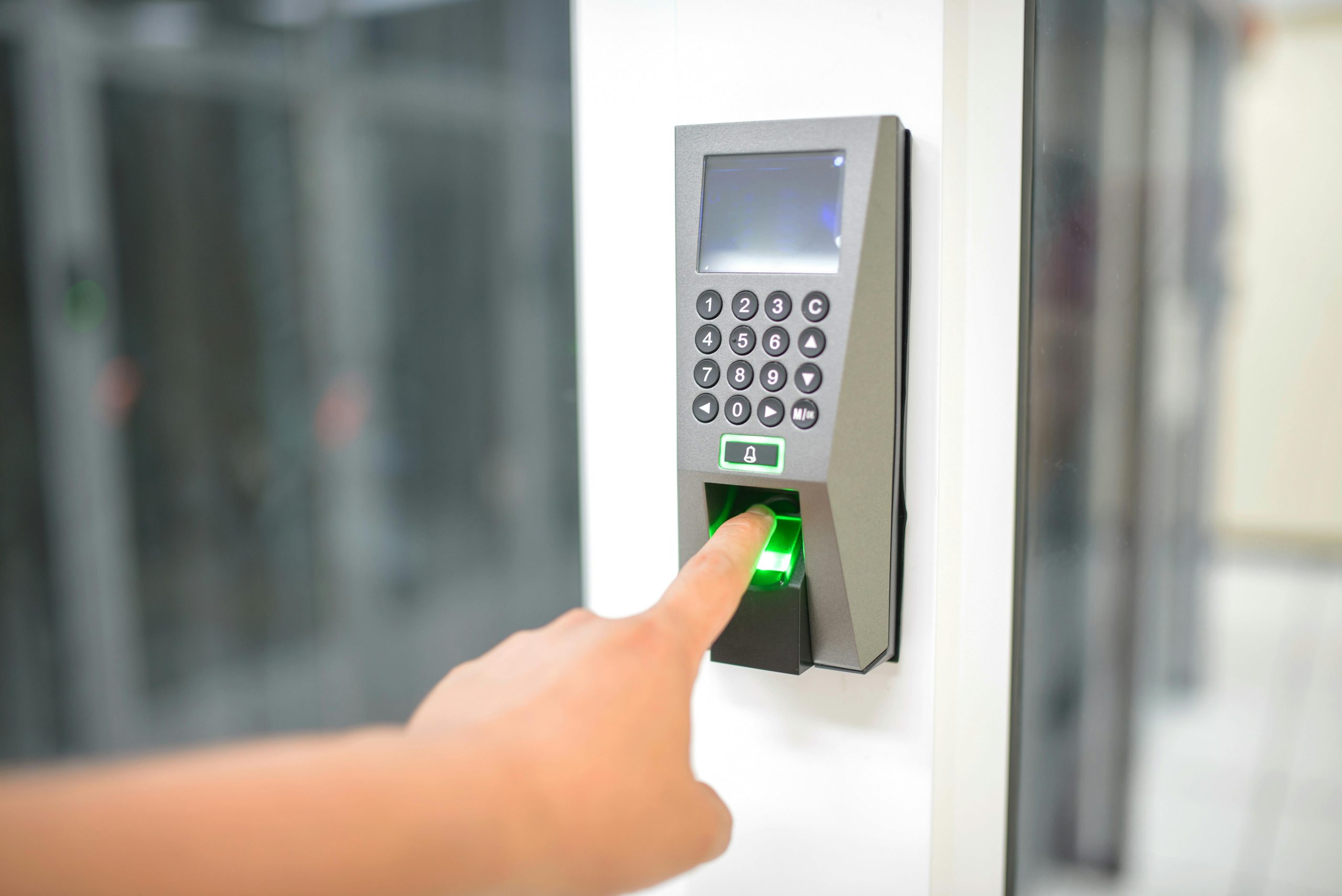
Managing employee attendance is one of the most important aspects of running a business, regardless of size. Knowing who is working, when they clock in, and how long…
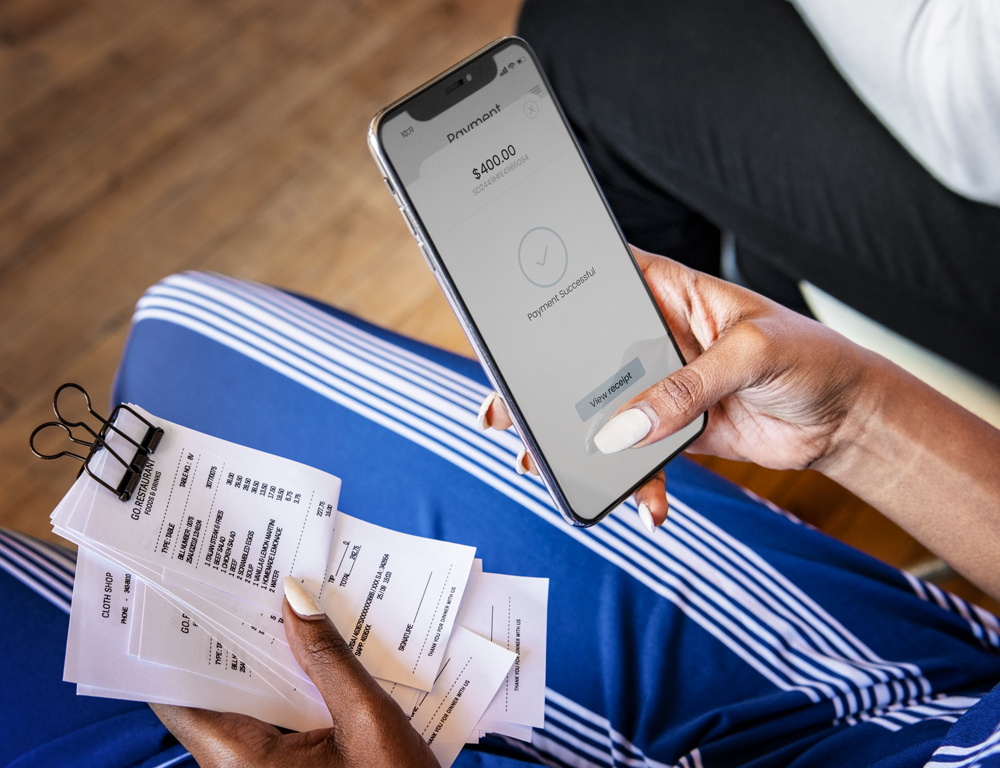
In Malaysia, the Inland Revenue Board (LHDN) is rolling out e-Invoicing in phases starting from 2024 to improve tax compliance, business efficiency, and overall transparency. For many Malaysian companies, especially SMEs, this transition represents both an opportunity and a challenge.
One of the key innovations within this system is the Consolidated e-Invoice. It’s designed to simplify billing processes for businesses handling numerous transactions daily. But what exactly is a consolidated e-Invoice? Why is it important? And how can your business best prepare for it?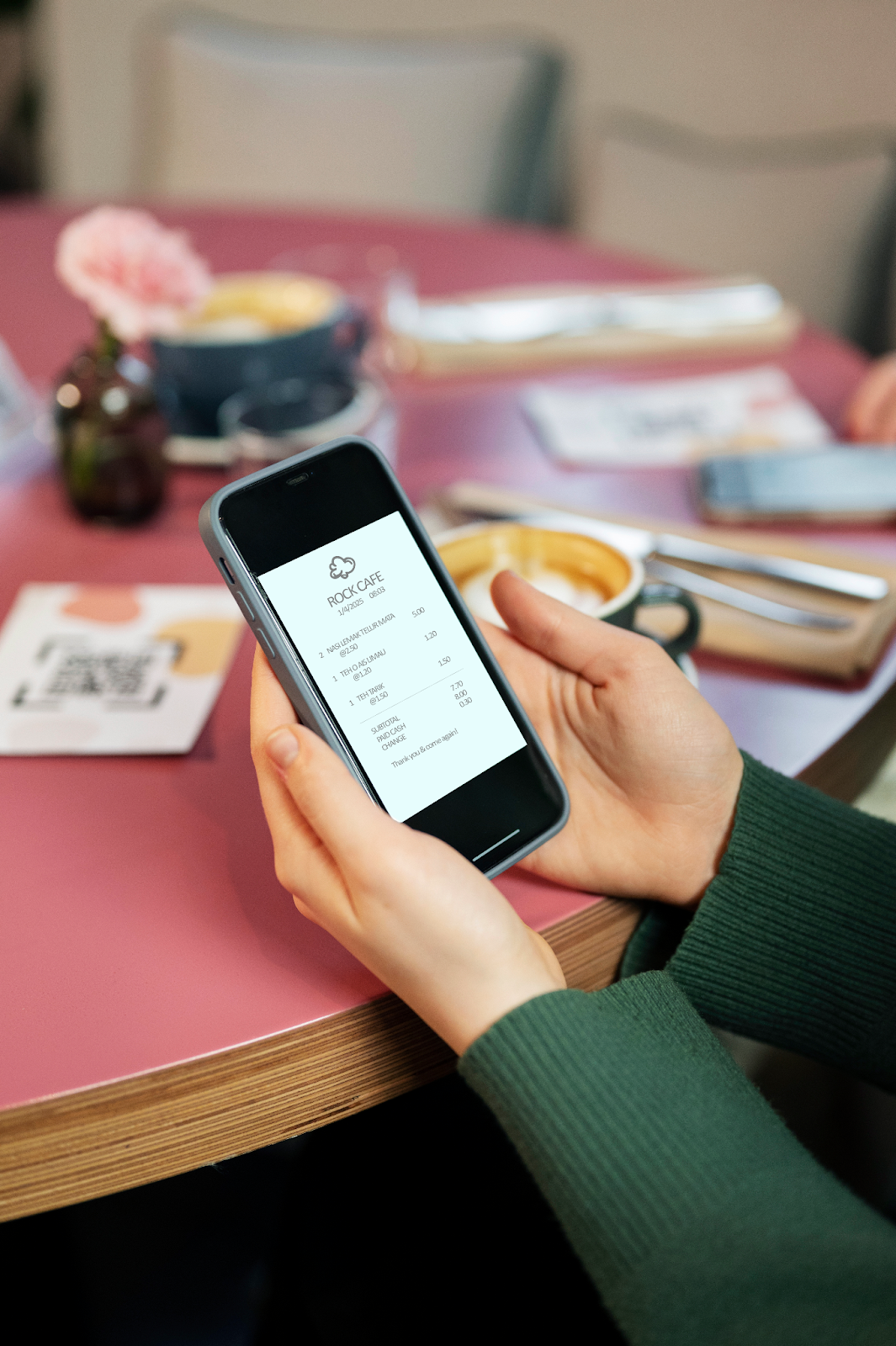
In traditional invoicing, each sale or transaction requires its own individual invoice — a process that quickly becomes cumbersome when you’re managing hundreds or thousands of small transactions daily.
A Consolidated e-Invoice solves this problem by grouping multiple transactions made with the same buyer into a single digital invoice for a specific period, usually one day. Instead of issuing dozens or hundreds of individual invoices, you send just one consolidated invoice, summarizing the day’s sales to that buyer.
Think of it as a monthly phone bill that compiles all your calls into one statement, rather than sending you a separate bill for every call.
This format is especially useful for sectors with frequent, low-value transactions, such as:
The adoption of e-Invoicing in Malaysia is not just about digitizing documents — it’s about creating a seamless flow of accurate, real-time financial data between businesses and tax authorities.
Consolidated e-Invoices:
For buyers, receiving a consolidated invoice simplifies payment processing and record-keeping, making business dealings smoother and more professional.
Steps involved for the Issuance of Consolidated e-Invoice are as follows:
Before issuing any e-Invoice, confirm with each buyer whether they require an e-Invoice or prefer the standard receipt. This is crucial because some buyers may still prefer manual receipts or have different invoicing requirements.
If the buyer does not require an e-Invoice, continue issuing receipts as usual to maintain good customer relations and business records.
After the month ends, gather details of all receipts issued during the month for each buyer. This data will form the basis of the consolidated e-Invoice.
Using the collected data, prepare a consolidated e-Invoice for each buyer that complies with the fields and formats specified in LHDN’s e-Invoice guidelines. Issue this invoice within seven calendar days after the month ends.
Consolidated e-Invoices are ideal when:
While consolidated e-Invoices are a flexible tool, they’re not suitable for every situation:
Always consult your industry regulations or a tax advisor to ensure you’re following the correct invoicing practice.
With the MyInvois portal provided by LHDN, businesses can submit consolidated e-Invoices manually. However, for high-volume operations, integrating e-Invoicing directly with your Point of Sale (POS) or ERP system, such as Million Accounting Software is recommended.
This ensures:
Why Integration with Accounting Software Matters To streamline the process and avoid headaches, many Malaysian SMEs are turning to accounting and ERP software that integrates e-Invoicing directly with their business systems.
Million Accounting Software is a great example. It offers:
The automation of e-Invoice issuance can reduce errors, save time, and ensure your business remains fully compliant.
Implementing consolidated e-Invoices offers tangible advantages:
Instead of issuing and tracking thousands of individual invoices, you handle one consolidated invoice per buyer daily or monthly. This reduces paperwork and frees up your team to focus on core business activities.
Consolidated invoices provide clear, regular billing cycles, helping you better predict cash inflows and manage working capital.
Buyers appreciate simplified billing processes and clear documentation, improving trust and satisfaction.
Having detailed, consolidated digital records makes tax reporting easier and provides a clear audit trail to LHDN.
Digital invoicing reduces mistakes common with manual invoicing, such as duplicate invoices or missed transactions.
Malaysia’s full adoption of e-Invoicing is planned by 2027, giving you time but also urging early preparation. Here’s how you can get ready:
Identify pain points — are you spending too much time on billing? Missing invoices? Facing customer complaints about invoicing?
Look for accounting or ERP software that supports LHDN-compliant e-Invoices, especially consolidated ones. Ensure the software can integrate with your existing sales or POS systems.
Involve your accounting, sales, and IT teams early to familiarize them with new processes. Conduct training sessions on e-Invoicing workflows and software usage.
Inform buyers about the new invoicing format and confirm their preferences for e-Invoices or receipts. Transparent communication avoids confusion and builds trust.
Before full implementation, run a pilot phase with a small segment of customers to iron out any issues and ensure smooth operation.
Q: Can I choose to issue either individual or consolidated e-Invoices? A: Yes, depending on your transaction volume and buyer preferences, you may issue individual e-Invoices or consolidated ones, but must follow LHDN guidelines.
Q: What if my buyer doesn’t provide a TIN number? A: Buyer identification is critical. Without accurate buyer info, you may not be able to issue a compliant consolidated e-Invoice. Work with your buyers to collect this data.
Q: Does consolidated e-Invoicing work for online stores? A: Absolutely. E-commerce businesses often have high transaction volumes, making consolidated e-Invoices ideal for summarizing daily sales per customer.
Conclusion The move towards consolidated e-Invoicing represents more than just compliance — it’s an opportunity for Malaysian businesses to modernize their financial processes and boost overall efficiency. By consolidating multiple transactions into a single, streamlined invoice, companies can save time, reduce errors, and improve cash flow management.
As the e-Invoicing mandate rolls out fully by 2027 across Malaysia, businesses that adapt early will gain a competitive edge. Investing in the right technology, like integrating with robust accounting software, and ensuring your team understands the new requirements will help you avoid last-minute headaches and penalties.
Book a free demo with our local team. We'll call you back within the same working day.
Request Free DemoManaging employee attendance is one of the most important aspects of running a business, regardless of size. Knowing who is working, when they clock in, and how long…
In business, the human resources (HR) department has taken on a far more strategic role than ever before. It’s no longer just about recruiting talent or processing payroll.…
If your daily workflow still involves flipping through handwritten order books, managing folders of receipts, or cross-checking spreadsheets every time you need to know your stock count, you’re…